


The Green or Organic Farmer's Market in Lincoln Park has some fabulous accredited organic farmers
Our favorite Farmer’s Market is the Green Farmers Market here in Lincoln Park. But if you ask the farmers you get some surprises. One told me that they spray glycosphate to control weeds on the periphery of their property. Does the glycosphate then make its way on to the lettuce or the broccoli I buy? I dunno. So I created a short–and not complete–list of farmers who go the extra mile and expense to be be accredited by an outside body to confirm they are really organic. Here are three that frequent the Saturday market.
Growing Home is local to Chicago and awesome because they create jobs in Englewood and show us Chicagoans to eat better. Flatwater Farms is located in Buchanan, Michigan, and has wonderfully sweet carrots. And the third I want to mention is Wholesome Harvest in Fort Atkinson, Wisconsin. And remember to look at the signs and make sure that your produce is actually organic rather “natural” or another euphemism for a farmer that could by spraying glycosphate on their field and not telling you.
#GreenCity #GreenCityMarket #ward43 #Chicago #SustainbleChicago #midnorthassociation
Our favorite Farmer’s Market is the Green Farmers Market here in Lincoln Park. But if you ask the farmers you get some surprises. One told me that they spray glycosphate to control weeds on the periphery of their property. Does the glycosphate then make its way on to the lettuce or the broccoli I buy? I dunno. So I created a short–and not complete–list of farmers who go the extra mile and expense to be be accredited by an outside body to confirm they are really organic. Here are three that frequent the Saturday market.
Growing Home is local to Chicago and awesome because they create jobs in Englewood and show us Chicagoans to eat better. Flatwater Farms is located in Buchanan, Michigan, and has wonderfully sweet carrots. And the third I want to mention is Wholesome Harvest in Fort Atkinson, Wisconsin. And remember to look at the signs and make sure that your produce is actually organic rather “natural” or another euphemism for a farmer that could by spraying glycosphate on their field and not telling you.
#GreenCity #GreenCityMarket #ward43 #Chicago #SustainbleChicago #midnorthassociation
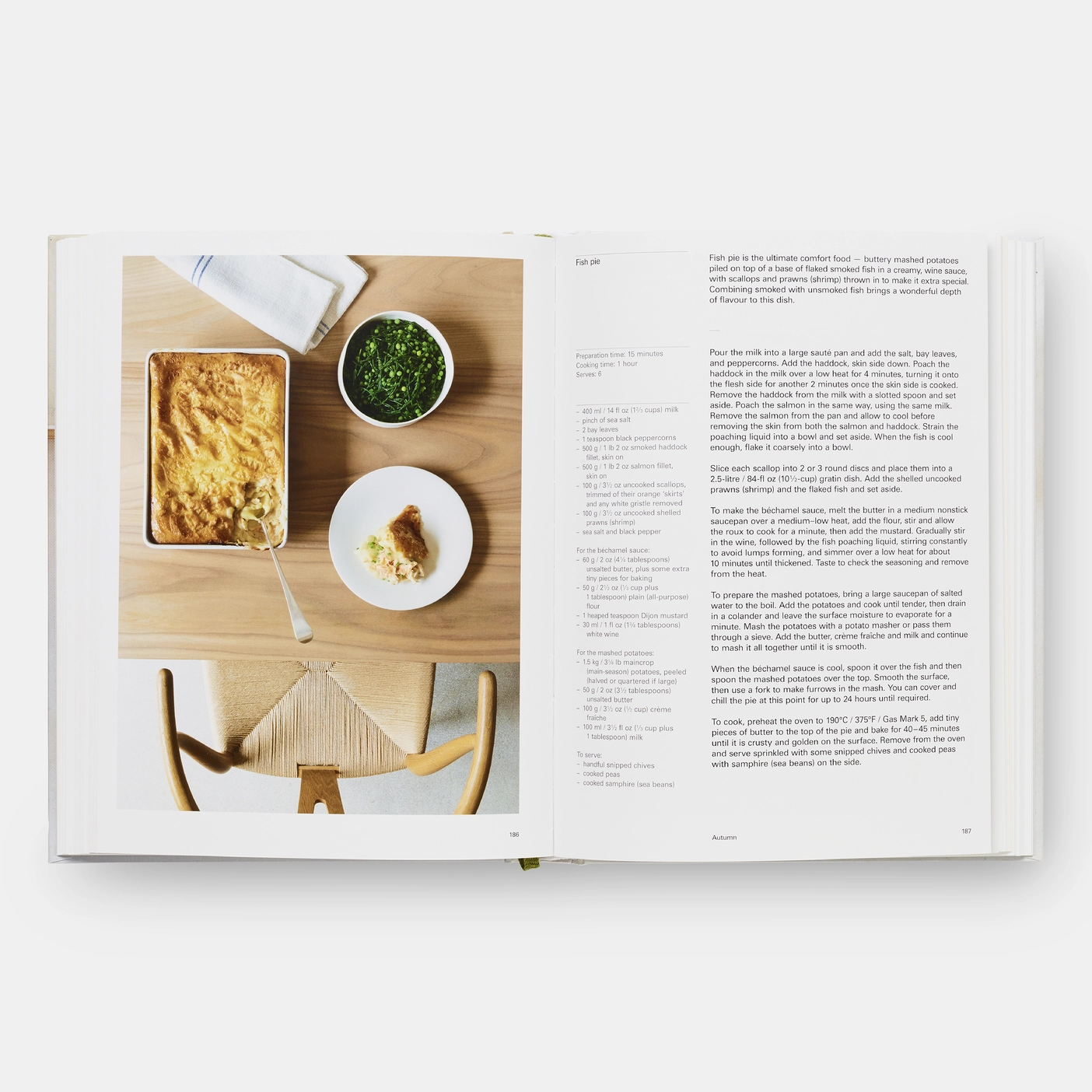
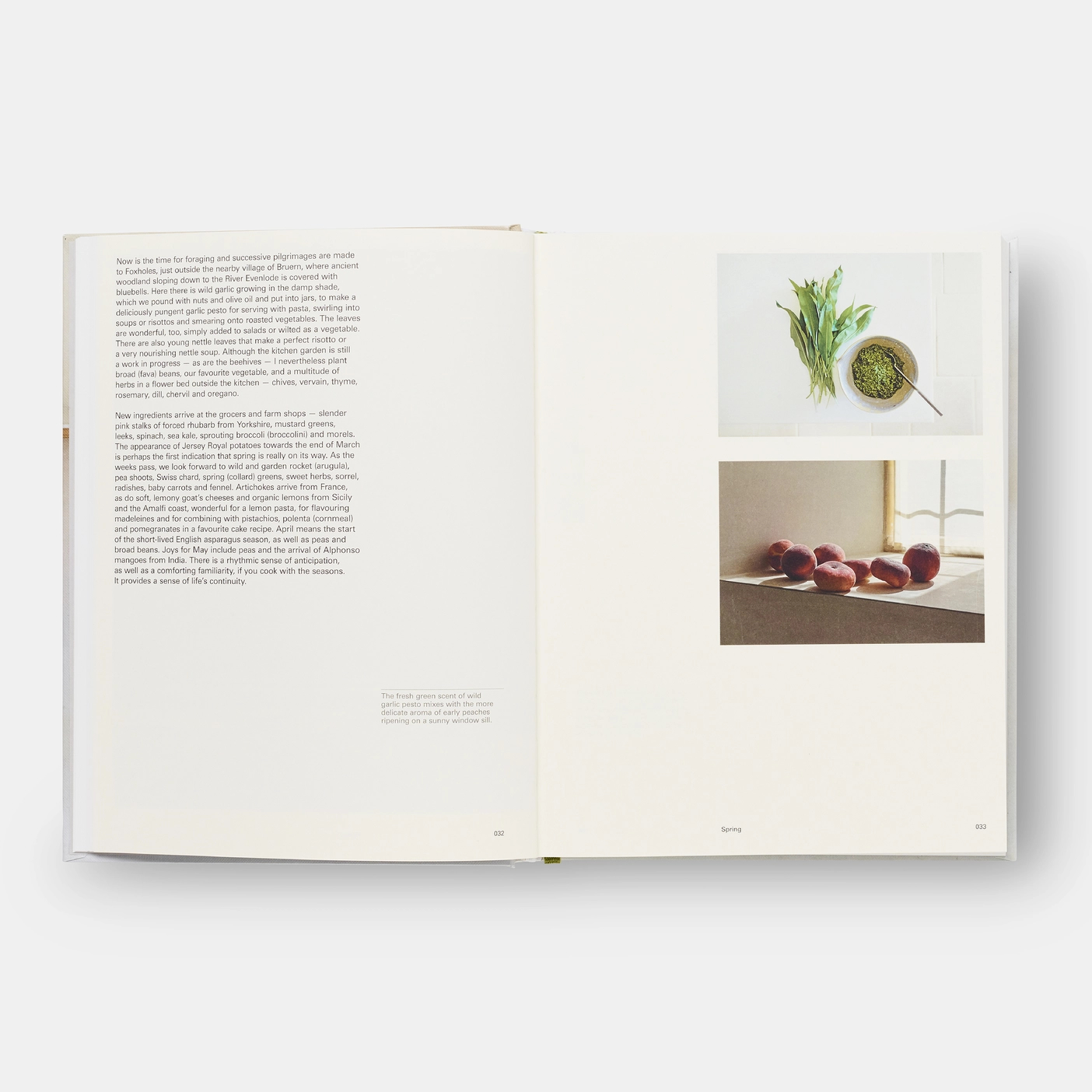
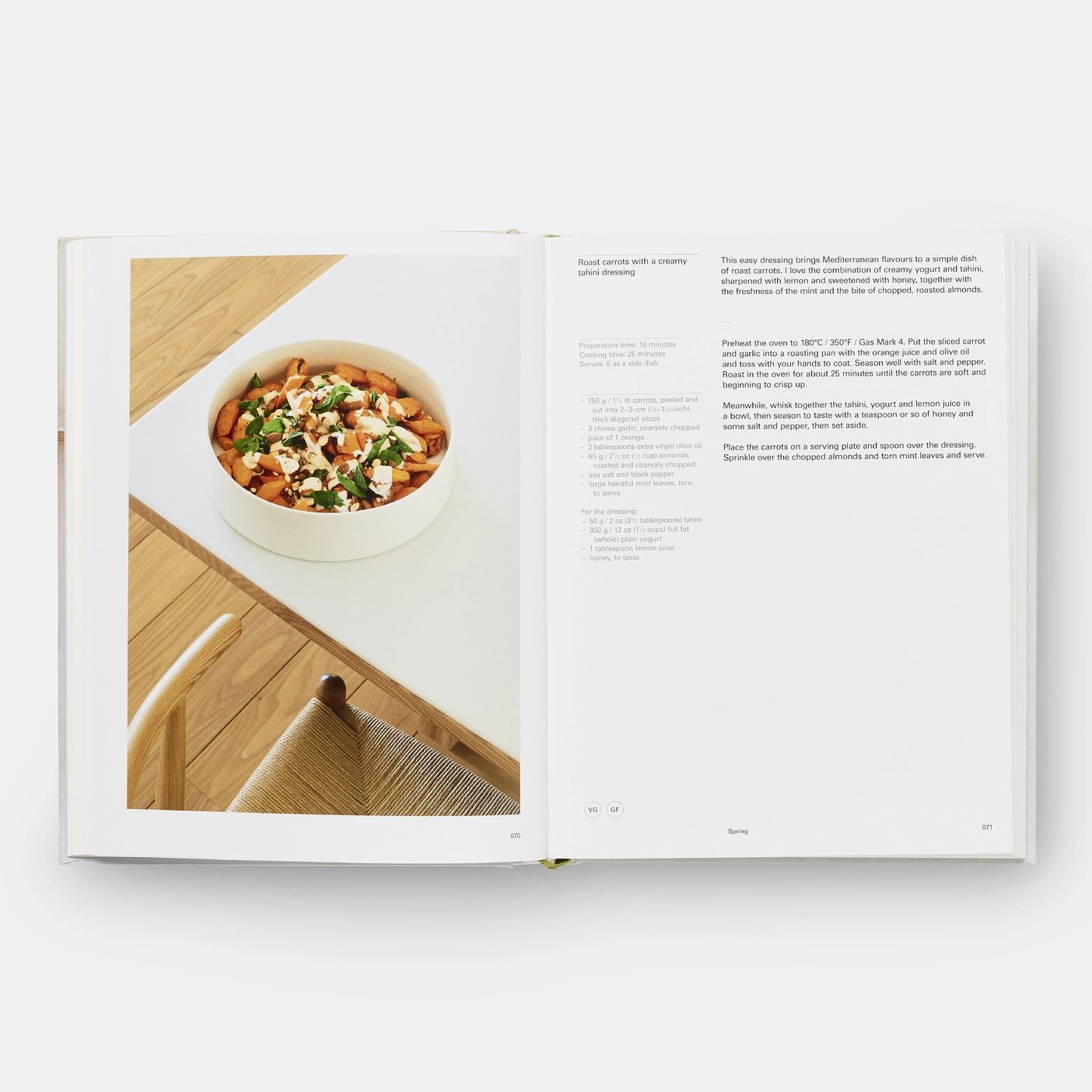
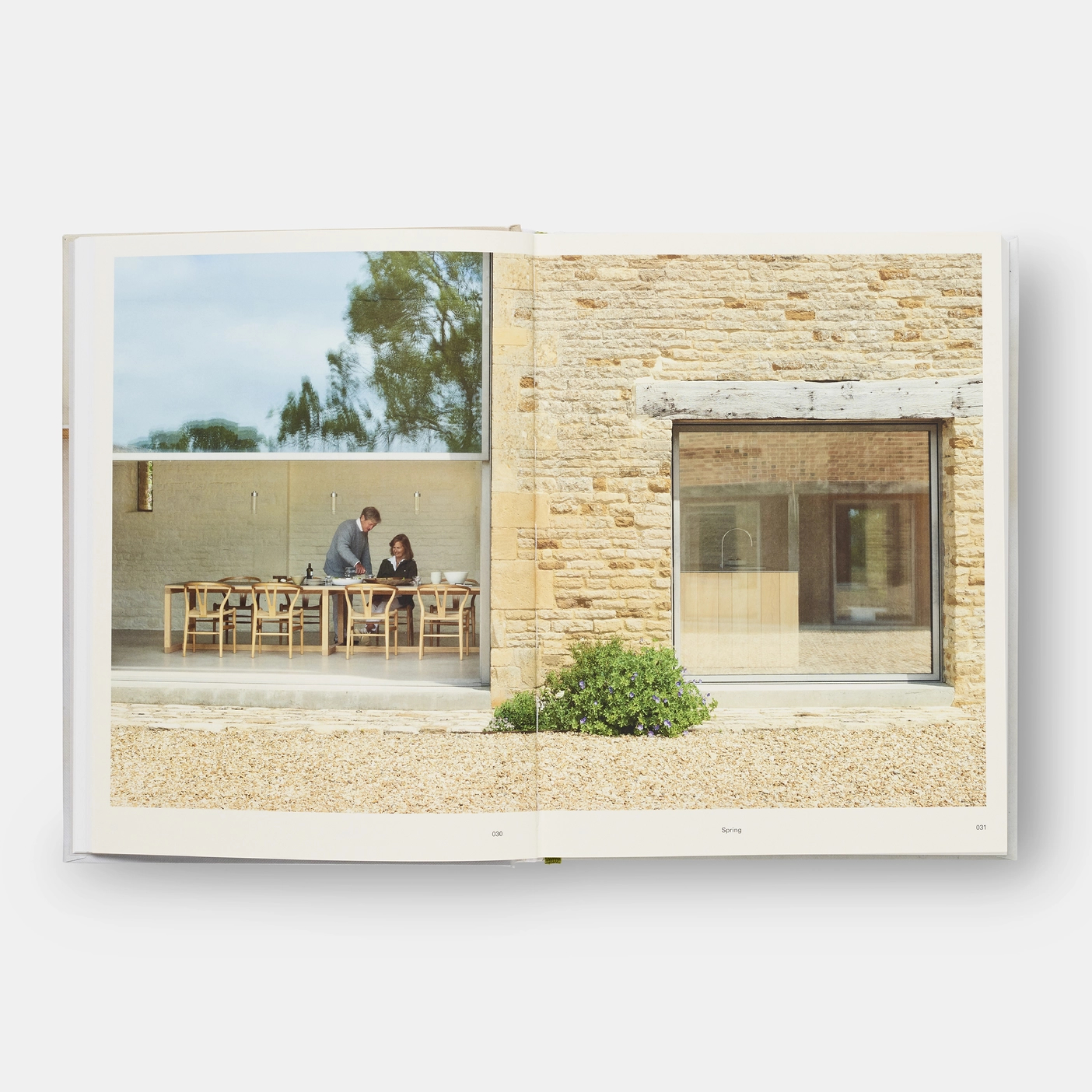
Paring back to the essential
The architect John Pawson’s latest book is a wonderful discovery and an inspiration. Pawson is a master practitioner of identifying the essential, setting everything else aside and making the essential beautiful. Pawson elevates the everyday to something simple and rich with meaning. Mies van der Rohe pioneered this approach and called it beinahe nichts.
Cooking and and spending time with family are super important to us and its expression in our home is a priority.
What’s essential in your life?
Is there something–an activity or a pursuit–that you want to make a priority in your space?
How do you want to live?
John Pawson’s book Home Farm Cooking
#johnpawson #focus #kitchen #family #phaidon #lincolnparkchicago #winnetka #westtown #hydeparkchicago
The architect John Pawson’s latest book is a wonderful discovery and an inspiration. Pawson is a master practitioner of identifying the essential, setting everything else aside and making the essential beautiful. Pawson elevates the everyday to something simple and rich with meaning. Mies van der Rohe pioneered this approach and called it beinahe nichts.
Cooking and and spending time with family are super important to us and its expression in our home is a priority.
What’s essential in your life?
Is there something–an activity or a pursuit–that you want to make a priority in your space?
How do you want to live?
John Pawson’s book Home Farm Cooking
#johnpawson #focus #kitchen #family #phaidon #lincolnparkchicago #winnetka #westtown #hydeparkchicago


Colors Weave an Interior Together
We offer color and interior design services. Sometimes we begin with a painting like this one by Robert Vickrey from 1960. Sometimes we begin with a piece of furniture like this Tokyo Bed and Sideboard designed by Piero Lissoni. The two colors–White Sand and Western Reserve by Emerald from Sherwin Williams–bring it all together.
#ChicagoInteriorArchitect #interiordesignlincolnpark
We offer color and interior design services. Sometimes we begin with a painting like this one by Robert Vickrey from 1960. Sometimes we begin with a piece of furniture like this Tokyo Bed and Sideboard designed by Piero Lissoni. The two colors–White Sand and Western Reserve by Emerald from Sherwin Williams–bring it all together.
#ChicagoInteriorArchitect #interiordesignlincolnpark

Don’t move, Improve! is a London-based breath of fresh air.
We love finding inspiration and lately, we’ve been spending a lot of time salivating over amazing small residential projects in London. We have always found inspiration in John Pawson’s work. Like Mies, he distills design to its essence, realizing a transcendent domestic simplicity.
So take a look at some of these fantastic projects and let us know which ones you fancy. Don’t Move, Improve!
#Don’tMoveImprove #LondonResidentialArchitect #LondonSmallArchitectureFirm #ChicagoHouseAdditionArchitect
We love finding inspiration and lately, we’ve been spending a lot of time salivating over amazing small residential projects in London. We have always found inspiration in John Pawson’s work. Like Mies, he distills design to its essence, realizing a transcendent domestic simplicity.
So take a look at some of these fantastic projects and let us know which ones you fancy. Don’t Move, Improve!
#Don’tMoveImprove #LondonResidentialArchitect #LondonSmallArchitectureFirm #ChicagoHouseAdditionArchitect

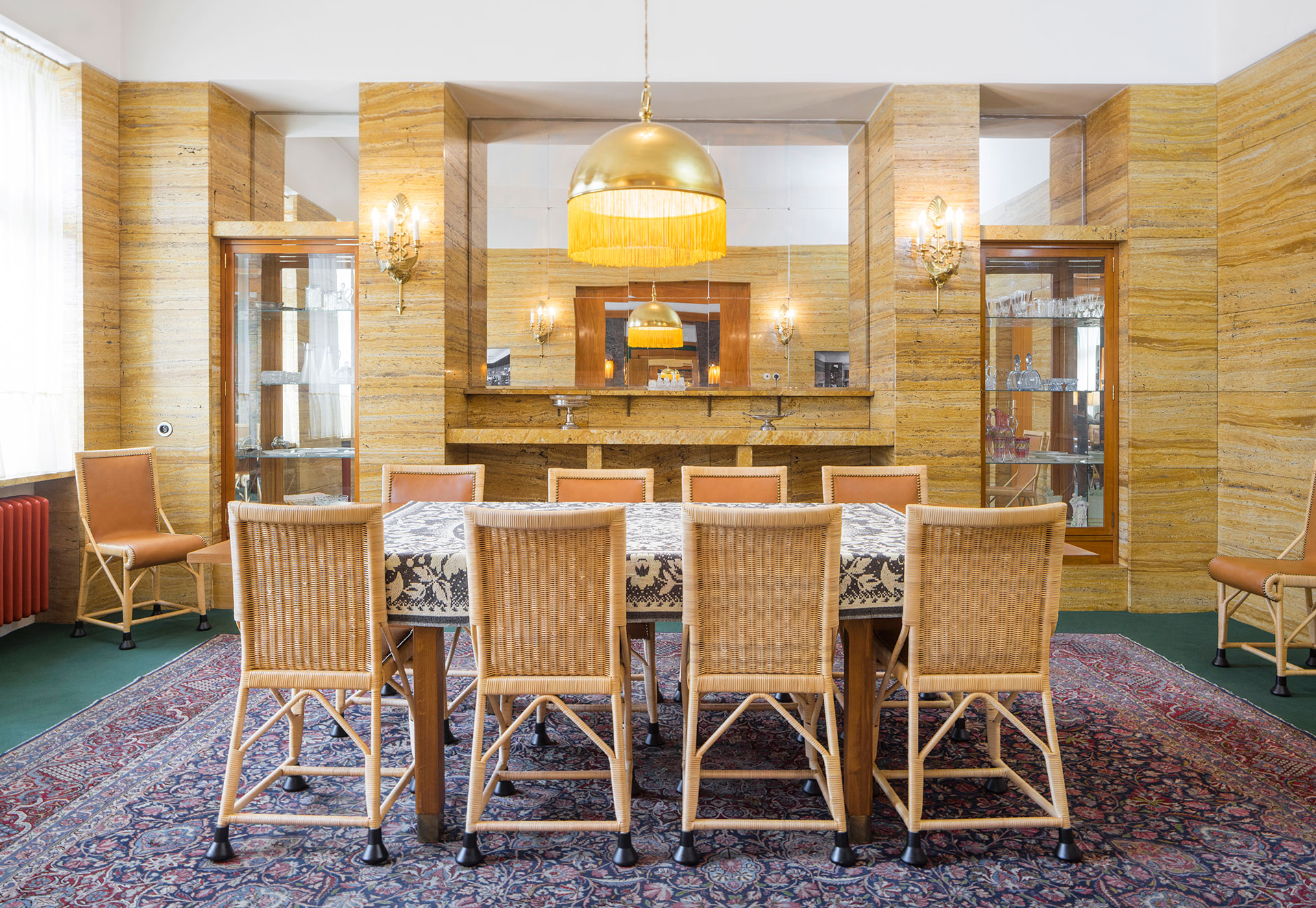
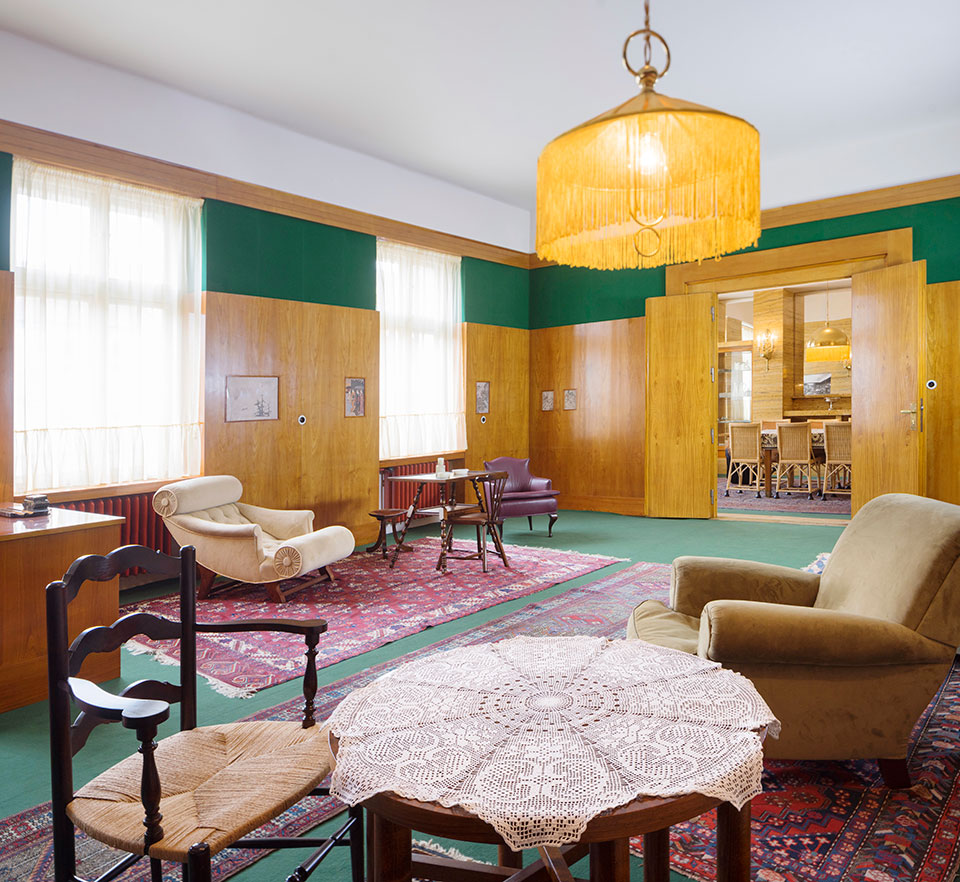


The stunning, timeless beauty of an Adolf Loos interior
Adolf Loos is best known for his maxim “Ornament is a crime.” What does that mean? Answers are to be found in the rich, luxurious but understated beauty expressed in his interiors projects. This dining room in Pilsen is stunning. Loos employs the natural horizontal grain of stone and the unadorned varnished wood slabs to delight the diner and animate the room. This was in place of the standard contemporary plaster ornament and heavy trim pieces. Loos still loves whimsy and specifies swan-shaped candle holders to the left and right of the mirror. The mirror is inset between the lush, but uncarved, marble pillars–being above the diner’s eye level– expands the space horizontally. The reflected light adds a seductive bling to the room making it warm and opulent. The golden “egg baskets” pendants sheen (I looked it up and I can use “sheen” as a verb–my inner diction nerd is very excited!) and add to the spectacle. Loos is fabulous fun! #adolfloos #ornnamentisacrime #architecture #decoration #materiality #architecturaleffects
Adolf Loos is best known for his maxim “Ornament is a crime.” What does that mean? Answers are to be found in the rich, luxurious but understated beauty expressed in his interiors projects. This dining room in Pilsen is stunning. Loos employs the natural horizontal grain of stone and the unadorned varnished wood slabs to delight the diner and animate the room. This was in place of the standard contemporary plaster ornament and heavy trim pieces. Loos still loves whimsy and specifies swan-shaped candle holders to the left and right of the mirror. The mirror is inset between the lush, but uncarved, marble pillars–being above the diner’s eye level– expands the space horizontally. The reflected light adds a seductive bling to the room making it warm and opulent. The golden “egg baskets” pendants sheen (I looked it up and I can use “sheen” as a verb–my inner diction nerd is very excited!) and add to the spectacle. Loos is fabulous fun! #adolfloos #ornnamentisacrime #architecture #decoration #materiality #architecturaleffects